The Microphone Myth: Why Your £500 Mic Sounds Like a £50 Mic
The uncomfortable truth about audio equipment that nobody on YouTube will tell you.
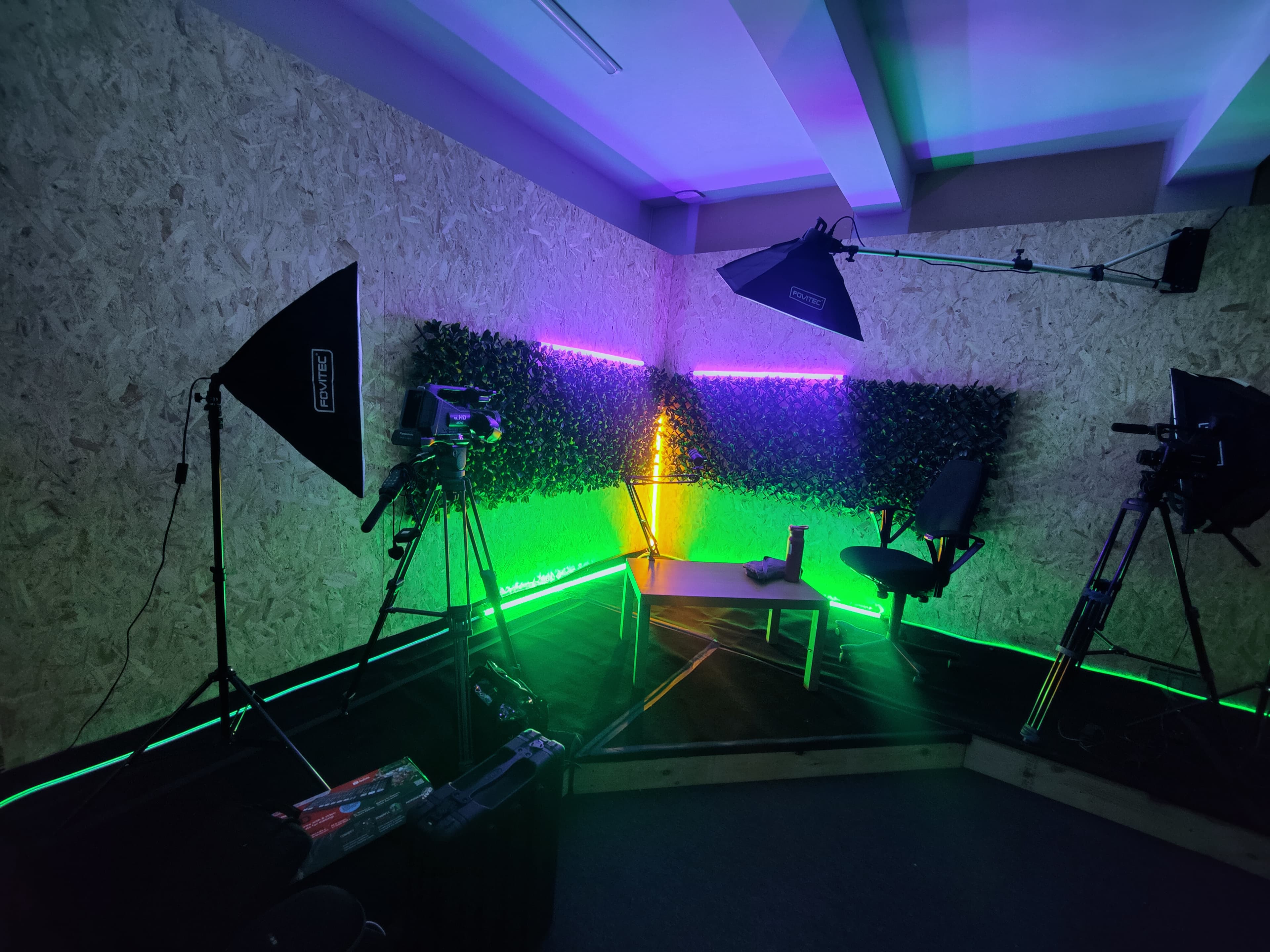
Why expensive gear in bad rooms sounds worse than cheap gear in good rooms.
Table of Contents
I want to tell you about the most expensive mistake in podcasting. It is not buying cheap equipment. It is buying expensive equipment and using it badly.
The Myth
Here is a fun experiment. Take a £500 microphone, any of the popular ones the YouTube reviewers rave about. Record yourself in your kitchen. Now take a £50 USB microphone and record yourself in a professional vocal booth. Play both recordings to someone who is not an audio engineer. Ask them which cost more.
They will pick the £50 mic every time. I have done this test at least twenty times. It has never failed.
The microphone industry has done something remarkable. They have convinced us that sound quality lives inside the microphone, like some kind of audio genie waiting to be released. Spend more money, get more genie. This is nonsense.
Sound quality lives in the room. The microphone is just the messenger. And if the room is bad, the microphone will faithfully, expensively, deliver that badness straight to your listener's ears.
The Experiment
I learned this the expensive way, because of course I did. I bought a Shure SM7B after watching approximately 900 YouTube videos telling me it was the "industry standard." I spent £350 on the mic, then another £150 on a Cloudlifter because everyone said I needed one, then £200 on a boom arm heavy enough to support the thing. I was £700 deep before I recorded a single word.
The result? I sounded like I was broadcasting from a very expensive cupboard. Which, to be fair, I was.
The £700 Lesson
The SM7B is a brilliant microphone. In a treated room, it is magic. But in my spare bedroom with bare walls and a wooden floor, it was just a very sensitive device for capturing room echo and the distant hum of my neighbour's washing machine. I had spent £700 to discover that my room sounded bad in high definition.
This is the myth. We believe that expensive equipment solves problems. It does not. It reveals them. A cheap microphone in a bad room sounds muddy and amateur. An expensive microphone in a bad room sounds muddy and amateur, but you can hear exactly how muddy and amateur in exquisite detail. The problem was never the microphone. The problem was always the room.
The Truth About Sound
Professional studios understand this. They do not spend £50,000 on microphones. They spend £50,000 on acoustic treatment, isolation, and ventilation systems that keep the room silent. The microphone is almost an afterthought. Any decent large-diaphragm condenser will sound incredible in a properly treated space. The same microphone will sound terrible in your living room, no matter how much it cost.
The room is the instrument. The microphone is just the pickup.
The Solution
So what is the solution? If you are recording at home, you have two options.
Option 1: You can spend £5,000 treating your room properly, which means bass traps, reflection panels, understanding room modes, and probably some structural work.
Option 2: You can spend £200 booking a professional studio that has already done all of that.
The economics are not even close. The treated room option requires space you probably do not have, knowledge you definitely do not have, and money you should not spend. The studio option requires two hours and a taxi ride. You walk in, you record, you walk out with audio that sounds like it cost £5,000 to produce. Because it did. You just did not pay for it.
The Economics
I sold my SM7B eventually. Got about £200 for it, which felt like a fitting end to the lesson. The person who bought it probably has a treated room, or thinks they need an even more expensive microphone to fix their problems. I hope it is the former. I suspect it is the latter.
The microphone myth persists because it is comforting. It tells us that quality is something you can buy, something that lives in a box with a warranty. The truth is messier. Quality lives in the space between you and the microphone. It lives in silence, in treatment, in understanding how sound actually works.
You cannot buy that understanding. You can only rent it, two hours at a time, from people who have already learned these lessons the hard way.
Save your £500. Book the studio. Your listeners will thank you, and so will your bank balance.
Stop Buying Gear. Start Recording.
At StreamToday Studios, we've already invested in the room so you don't have to. Professional acoustics, quality microphones, and live editing — all included. Walk out with publish-ready audio in two hours.
Book a Session →Related Articles
StreamToday Studios
Nottingham's premier podcast studio with live editing. We help creators produce professional content without the technical headaches.